London’s homicide rate has dropped to its lowest level since records began, thanks to a combination of targeted policing, innovative technology, and proactive
community intervention.
New figures released today (Monday, 12 January) show that 97 people were killed in London in 2025—a reduction of 11% from 109 in 2024. This marks the fewest homicides in the capital since 2014, despite the city’s population growing by over half a million in the same period.
Policing and technology drive results
The Metropolitan Police have been central to this success, arresting an additional 1,000 offenders each month and making more than 21,000 disruptions against serious and organised crime groups in the past year alone. Officers have removed thousands of guns and knives from the streets, using intelligence-led tactics, surveillance, and advanced technology—including Live Facial Recognition—to target the most dangerous criminals.
The V100 programme has also been pivotal in protecting women and girls. By identifying predatory men posing the greatest risk, the Met has ensured they face the longest possible sentences, preventing harm before it occurs.
Violence reduction unit focuses on prevention
Alongside policing, the Mayor of London’s Violence Reduction Unit (VRU) has played a key role in reducing youth violence. Since 2019, the VRU has delivered more than 550,000 targeted interventions to prevent young people from joining gangs or engaging in violent behaviour. Initiatives include school-based programs to reduce exclusions, after-school diversion activities, and youth workers in custody suites and A&E departments. These efforts have cut teenage homicides by 73% since 2021 and reduced hospital admissions for knife assaults by 43%.
The VRU’s work has been instrumental in making London safer for young people. In 2025, just eight teenagers were victims of homicide—the joint lowest level in nearly 30 years—and under-25s accounted for the fewest deaths recorded this century.
London’s homicide rate among the lowest globally
London’s homicide rate now stands at 1.1 per 100,000 people, lower than any other UK city and below comparable international cities such as New York (2.8), Berlin (3.2), Milan (1.6), and Toronto (1.6). It is also far lower than rates in major US cities like Los Angeles (5.6), Houston (10.5), Chicago (11.7), and Philadelphia (12.3).
Violent incidents resulting in injury fell by 20% in 2025, while firearm discharges are less than half of what they were seven years ago. These figures show London is safer than ever, even as its population continues to grow.
Public confidence in policing rises
The Met’s achievements are mirrored by increased public trust. Eighty-one percent of Londoners believe the Met is doing a good or fair job locally, while 74% say they can trust the force. Confidence among Black Londoners has increased by 10%, and the gap between men and women in trusting the police has now closed.
A combined approach: enforcement and prevention
The success in reducing homicide reflects a twin strategy of enforcement and prevention. While the Met relentlessly targets dangerous offenders and dismantles gang networks, the VRU and community partners focus on early intervention, diversion, and safeguarding vulnerable groups.
As London celebrates this historic milestone, the city’s authorities remain vigilant, continuing to innovate and collaborate to ensure the trend of falling violence continues.
Met Police Commissioner Sir Mark Rowley said: “I am privileged to lead such extraordinary people. Three years ago, I pledged that we would make London safer through more trust and less crime. London’s record‑low homicide rate is the result of relentless work: arresting 1,000 more offenders each month, using innovative technology such as live facial recognition to solve more crime, and taking precise action against the most dangerous gangs, organised criminals, and predatory men who target women and children.
“The results speak for themselves: fewer lives lost, fewer families shattered. Every murder is a tragedy, but we will continue to use every tool at our disposal to drive down serious violence. This work will not stop, and neither will our determination to keep Londoners safe.”
The Mayor of London Sadiq Khan said: "Many people have been trying to talk London down, but the evidence tells a very different story. Last year London had the lowest murder rate per capita since records began, the fewest murders of those aged under 25 this century, and one of the lowest number of homicides for almost three decades.
“It's clear that our sustained focus on being both tough on crime and tough on the complex causes of crime is working. This includes investing in intervention and prevention work led by my Violence Reduction Unit - the first in England. At the same time, we’re supporting the Met by more than doubling City Hall’s investment in policing to help boost police numbers and relentlessly target the worst offenders and criminal gangs.
"But we are not complacent. One death will always be one too many. That's why I'll continue to do all I can to invest in the police and provide positive opportunities for young Londoners so that we can build on this significant progress and continue making London safer for everyone."
Director of London’s VRU Lib Peck said: Lib Peck, Director of London’s VRU, said: “A lot has been painted about safety in London, but the fact is homicide levels are at record lows and violence continues to fall.
“There is clearly more to do to close the gap and challenge online narratives so that people also feel safe, but the data last year shows we are making consistent progress. When we were set up more than six years ago, London’s homicide rate of young people was three times higher than it is today and last year registered the fewest number of homicides of young people this century.
“Prevention and the work of thousands of youth workers, mentors, teachers and all those who work closely with young people, have become a key part of London’s approach. We will continue to work in partnership across London to invest in young people and in youth clubs because we’re committed to keeping young people safe and supporting them to thrive.”
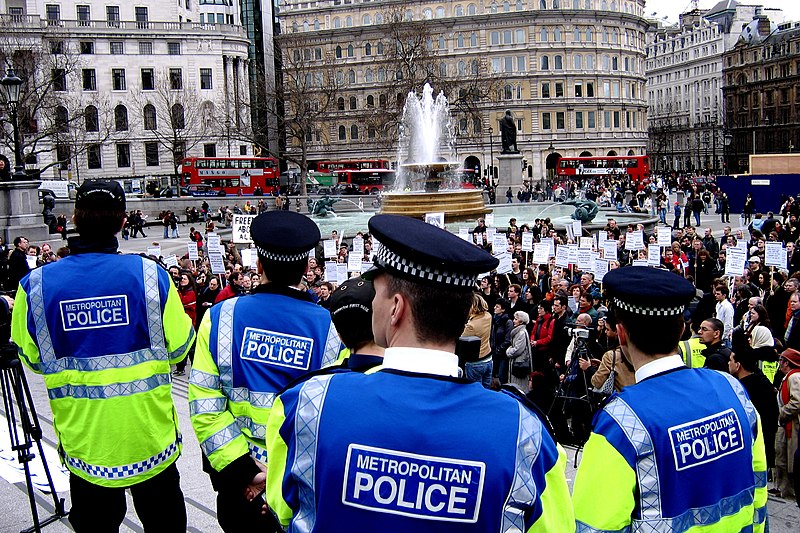
Photo by http://www.cgpgrey.com, Wikimedia commons.