

























Millions of passengers across the UK are set to benefit from cheaper fares, more frequent services and safer journeys after the government unveiled a £3 billion funding package for
local bus networks.
The multi-year settlement, announced on 5 December 2025 by the Department for Transport, is designed to give local authorities long-term financial certainty to transform bus services in their areas after years of decline.
Under the plans, councils will be free to decide how the money is spent — whether on cutting fares, introducing new routes, investing in zero-emission buses or improving safety at bus stops. Almost £700 million a year will be allocated to local authorities up to 2029, consolidating several existing bus funding streams into a single, flexible pot.
Ministers say the move will empower local leaders rather than Whitehall to shape services based on the needs of their communities. The funding also supports the expansion of bus franchising, a model that has already been rolled out in Greater Manchester through the Bee Network. A further £3 million Bus Franchising Fund has also been announced to help other regions develop similar schemes.
Transport Secretary, Heidi Alexander, said: “After years of decline, better buses are finally on the way. Our £3 billion investment will give local authorities the long-term funding they need to deliver lower fares, more frequent services and the reliable transport that communities depend on.
We’ve already extended the £3 bus fare cap to help people with their everyday journeys and now we’re backing this with the funding councils need to transform their local services.
This is part of our wider plan to make public transport cheaper across the country – we’ve frozen rail fares for the first time in 30 years and we’re building Great British Railways to deliver better value for passengers.
Whether it’s the bus to work, the train to see family, or getting to a hospital appointment, affordable transport is essential to bearing down on the cost of living and growing our economy”.
Minister for Roads and Buses, Simon Lightwood, said: “For too long, passengers have been let down by unreliable services, sub-standard bus stations and over a decade of routes being cut.
This £3 billion boost will change this, providing passengers with lower fares, more frequent and reliable services and safer journeys – helping both ease the cost of living and making it easier for people to get to work, hospital appointments and social plans, boosting the economy”.
Graham Vidler, CEO of the Confederation of Passenger Transport, said: “The time for buses is now. With multi-year funding finally in place, local transport authorities must get moving and invest in what matters most to passengers: more buses, faster buses and more reliable buses. Operators stand ready to work closely with authorities across the country to turn this funding into real improvements for the communities we serve”.
Lydia Horbury, CEO Bus Users UK, said: “Passengers have faced years of cuts and uncertainty, so long-term funding for buses is extremely welcome. Giving local authorities the stability to plan ahead and invest in the services their communities rely on is essential if we’re to reverse decline and rebuild confidence in bus travel.
We particularly welcome the flexibility for authorities to prioritise what matters most to passengers, whether that’s lower fares, more frequent services, zero emission buses or safer, more accessible infrastructure.
To deliver meaningful change, it’s vital that this funding translates into buses that are reliable, inclusive and designed around the needs of every passenger. We look forward to working with local authorities and operators to help make that a reality”.
Jason Prince, Director of the Urban Transport Group, said: “This funding emphasises the importance of bus as the backbone of our local transport networks. The multi-year settlement and the additional Bus Franchising Fund is an endorsement of transport devolution, providing local leaders with the certainty they need to plan and invest in better bus services to meet the needs of local communities.
The package represents a continued commitment to improving bus services and delivering on the ambitions of the Bus Services Act”.
The investment follows the Bus Services Act becoming law in October 2025, giving councils greater control over how bus services are operated and offering new protections for socially necessary routes.
The government says improving bus services will help people access jobs, education and services more easily, while supporting economic growth and tackling the cost of living.
The announcement forms part of a wider public transport overhaul. Rail fares have been frozen for the first time in 30 years — a move expected to save some commuters more than £300 a year — while Great British Railways is set to modernise ticketing with tap-in, tap-out payments and enhanced digital services.
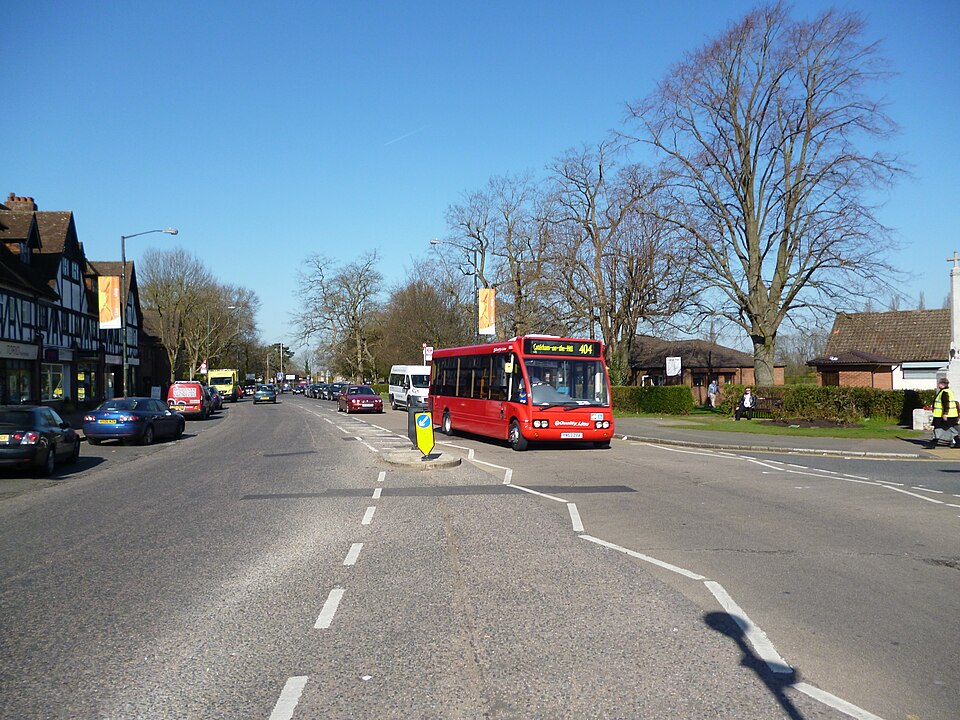
Ministers say the combined measures are aimed at delivering a modern, affordable and reliable transport network that works for passengers rather than profit. Photo by Dr Neil Clifton, Wikimedia commons.